
TrustGate Blog
Field notes on securing, governing, and paying for agentic AI.
 Agent security
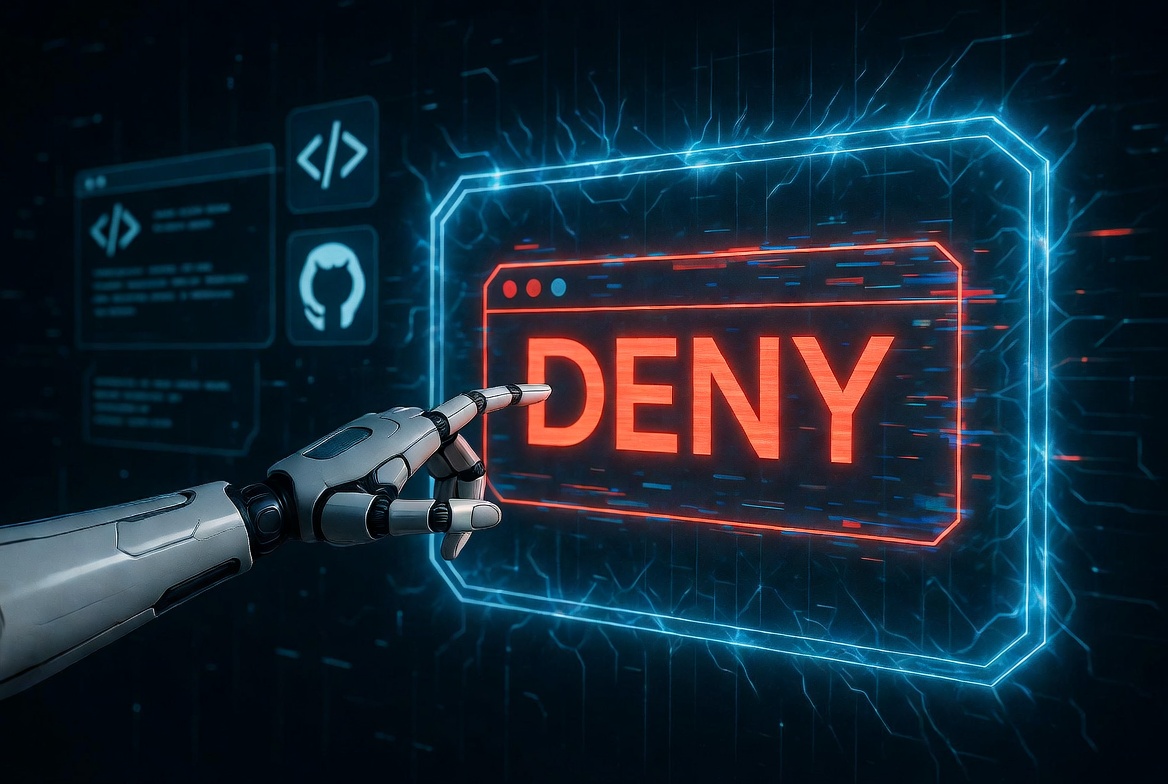
HalluSquatting: when your AI agent invents a URL an attacker already owns
LLMs hallucinate package and repo URLs — and attackers register the ones they invent. You can't fix that in the model. Here's the attack, and a real run showing an egress allowlist stop it.
 Agent security
20,000 accounts, one AI assistant: the Meta breach and the problem of 'excessive agency'
Hackers didn't break Meta's systems — they asked its AI support assistant to link their email to accounts they didn't own. Here's what the Instagram breach teaches about securing AI agents that can act.
 Cost & tokenomics
The token bill came due: how runaway agents blow your AI budget
In 2026, annual AI budgets are being exhausted in a quarter and looping agents burn tens of thousands overnight. Here's why token spend went out of control — and how to govern it in real time.
 MCP
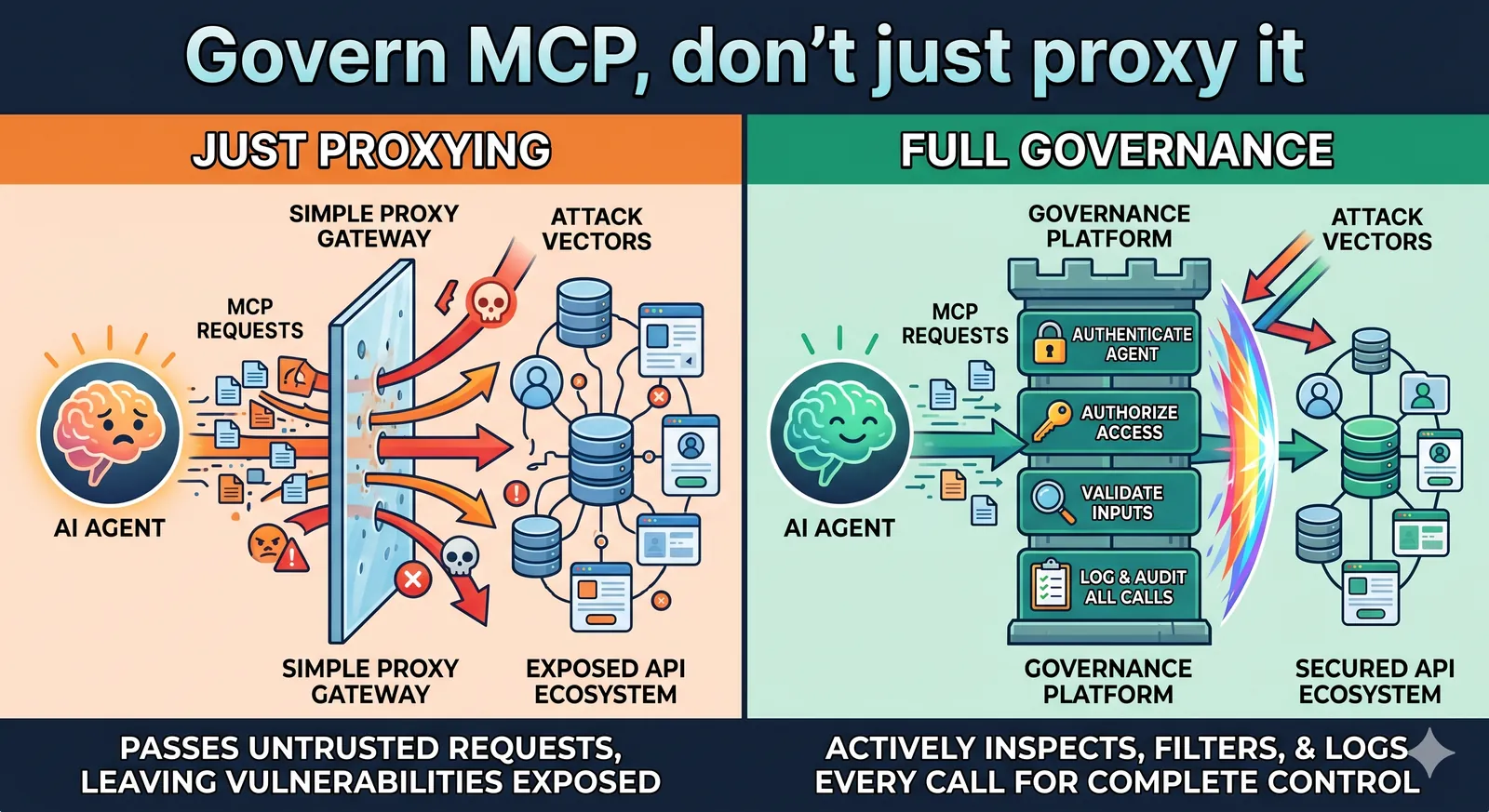
MCPGovern MCP, don't just proxy it
The Model Context Protocol turned every API into an agent tool — and every tool call into a new attack surface. Proxying MCP traffic isn't enough; here's what governing it actually means.
 Compliance
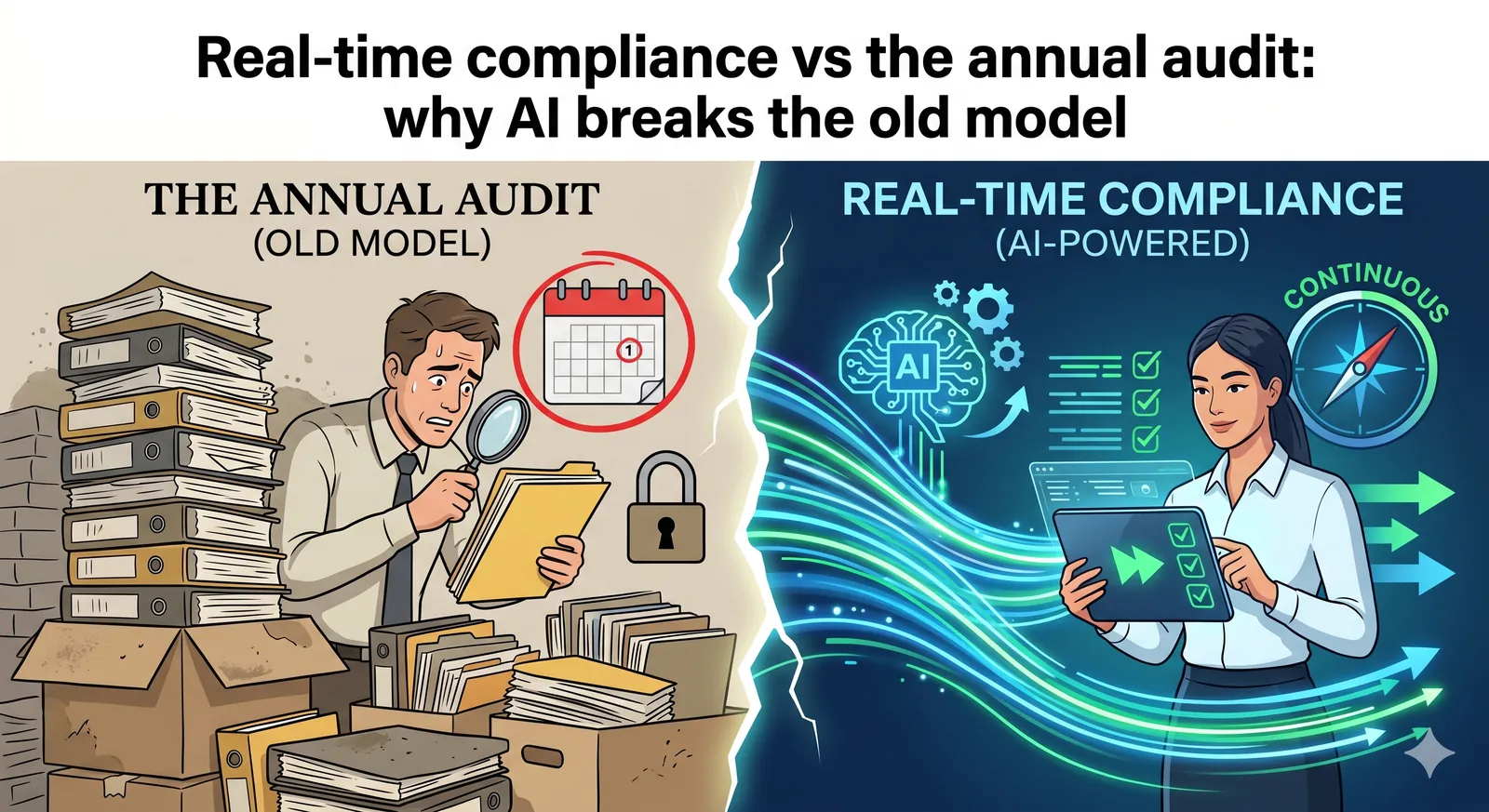
Real-time compliance vs the annual audit: why AI breaks the old model
Annual audits assume systems change slowly. AI agents change by the minute. Here's why compliance for agentic AI has to be measured continuously — and what a live posture looks like.
 Agent security
Self-healing security: how a defense that tightens its own grip changes the game
Static rules wait for an incident review to get smarter. A self-healing classifier raises its own scrutiny the moment an agent looks hostile — and stands back down when the threat clears. Here's why that matters.
 Agent security
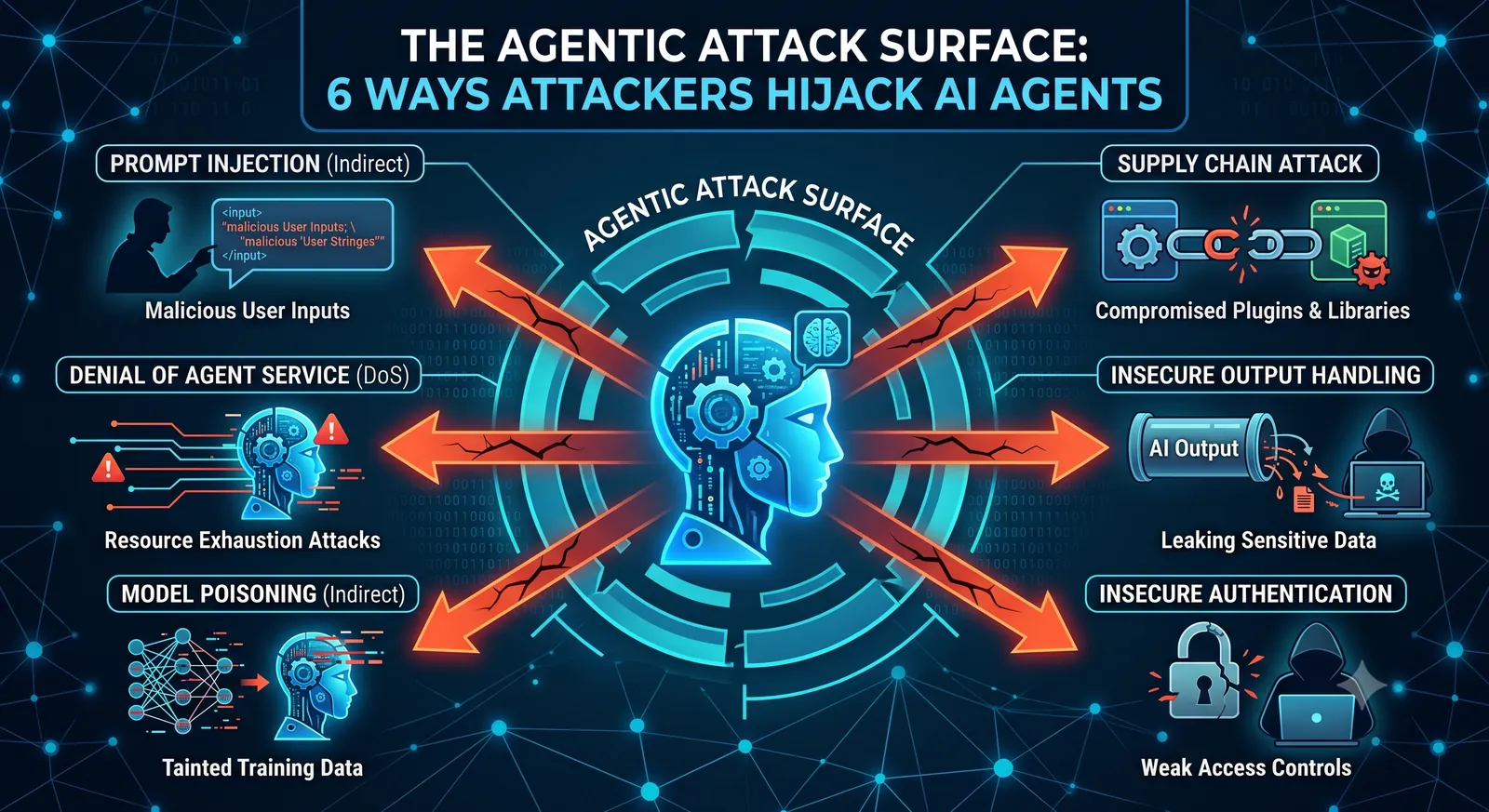
The agentic attack surface: 6 ways attackers hijack AI agents
Every channel your agent touches is now an instruction an attacker can poison — here's the full map, from prompt to egress, and what it takes to inspect all of it.
 Engineering
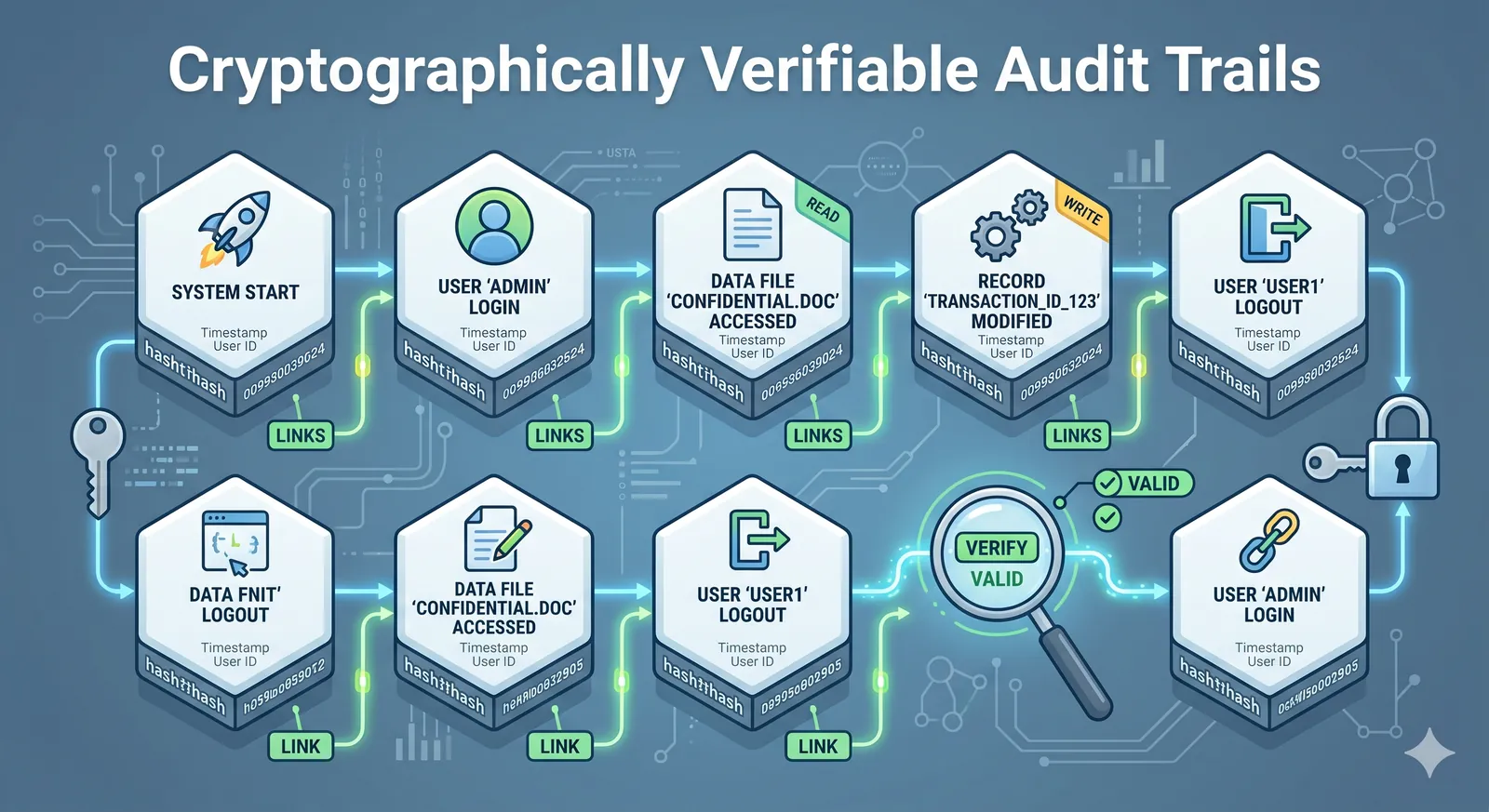
Cryptographically verifiable audit trails
A tamper-evident, hash-chained record of every agent action — and why your auditors will ask for it.
 Engineering
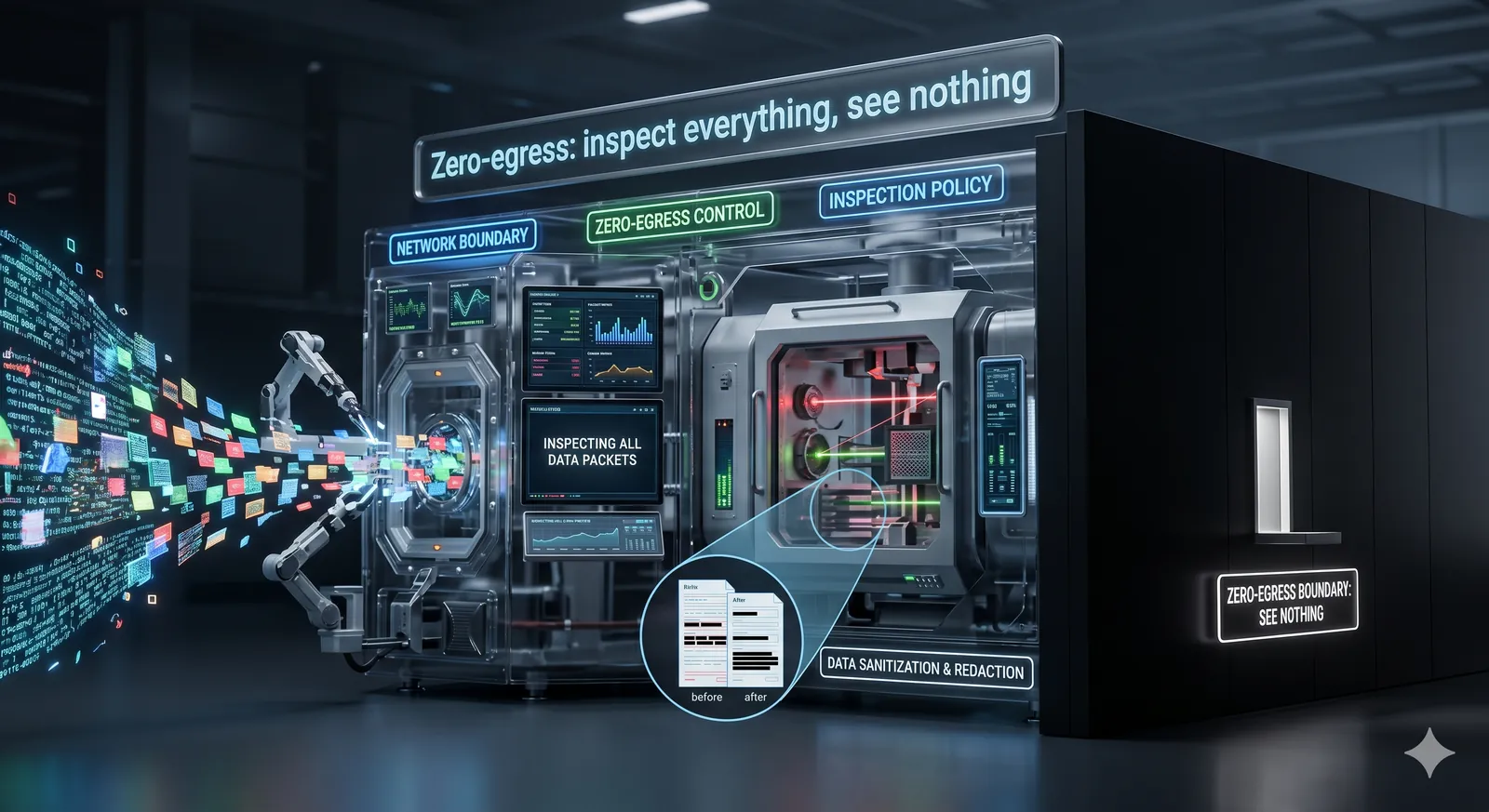
Zero-egress: inspect everything, see nothing
The architecture that lets TrustGate govern every agent action while no customer data ever leaves your network.